

Overview
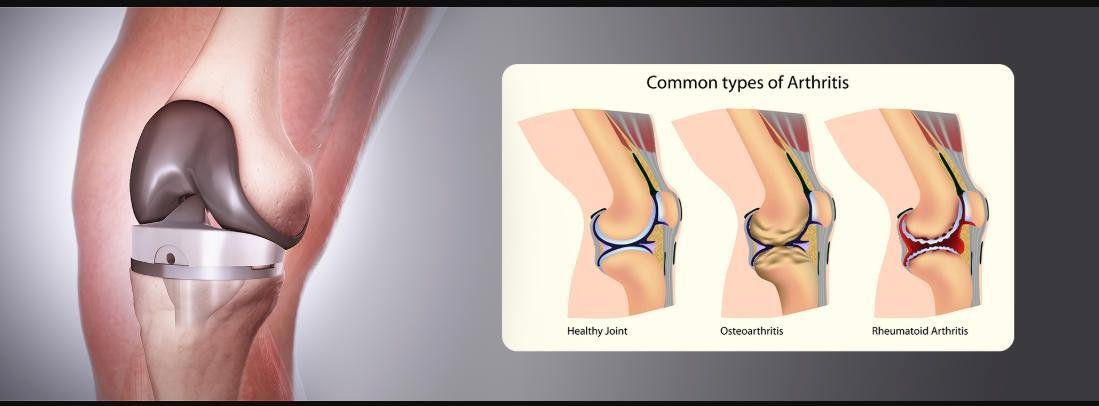
Knee pain can quietly take away the simple pleasures of life, such as walking comfortably, climbing stairs, travelling or sleeping well. When medication, physiotherapy and injections no longer give relief, knee replacement can restore mobility and independence.
Knee replacement (total knee arthroplasty) resurfaces a severely worn knee with metal components and a medical-grade plastic insert. Most patients stand and start walking within a day of surgery, and hospital stays are usually one to two days.
Do I need a knee replacement?
Why would I need a knee replacement?
Knee replacement is recommended for severe knee pain and stiffness that significantly limit everyday activities such as walking, climbing stairs or standing for long periods. It is most commonly performed for advanced osteoarthritis, but may also be needed for rheumatoid arthritis, post-traumatic arthritis after injuries or fractures, significant knee deformity, or joint damage that has not improved with medications, physiotherapy or injections.
What are the benefits of this surgery?
Compared with relying on long-term pain medication, knee replacement offers several advantages:
- It addresses the root cause of joint damage, gives long-lasting pain relief and restores better mobility and independence.
- It helps patients avoid the potential long-term side effects of chronic medication, such as stomach problems, kidney issues and the cardiovascular risks linked to prolonged use of anti-inflammatory drugs.
- For many patients it improves quality of life and sleep, and allows a return to normal daily activities that medications alone cannot achieve.
- It reduces the need for regular medical consultations and the expenses that go with them.
- It can remove the feeling of being a burden to the family, as many patients become much more independent after the operation.
Can medication cure severe knee arthritis?
Unfortunately, no. No medication can reverse or cure advanced knee arthritis. Once the cartilage is severely worn and the joint structure is damaged, medicines cannot restore the joint to its normal condition. At that stage, knee replacement is the most effective and reliable treatment.
What about the many types of pills available?
Anti-inflammatory medications prescribed by doctors can reduce pain and swelling for a while, helping patients stay comfortable for a period of time.
However, their effect lasts only while the medication is active in the body, and symptoms usually return once it is stopped. For patients with advanced joint damage, relying only on long-term medication may delay definitive treatment and allow the condition to worsen.
Can widely marketed injections and PRP cure my problem?
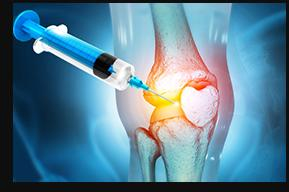
No. Many products are widely marketed as “cartilage-regenerating” treatments, such as special tablets, oils, milk powders, herbal pastes (paththu), gels, PRP and other injections. Despite strong advertising in newspapers, on television and online, there is no scientific evidence that these products can regrow cartilage in an already damaged knee joint. Spending money on them is unlikely to bring any lasting benefit.
The operation
Is knee replacement a major operation?
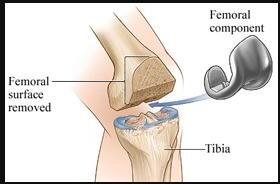
Yes. Knee replacement is a major surgical procedure, because it involves removing the damaged surfaces of the knee joint and replacing them with specially designed artificial components. With modern surgical techniques, improved anaesthesia and better post-operative care, it is now a commonly performed and generally safe operation worldwide.
For people with severe knee arthritis, the benefits of surgery (long-term pain relief, improved mobility and better quality of life) often outweigh the risks of continuing with ineffective long-term medication and worsening disability.
What is done during the operation?
In simple terms, the surgeon reshapes the ends of the thigh bone (femur) and the top of the shin bone (tibia) where the joint has been damaged by arthritis. These worn surfaces are covered with strong metal components, and a medical-grade plastic insert is placed between them so that the joint moves smoothly. If the leg was deformed before the operation, it will look straighter afterwards.
Is knee replacement surgery painful?
It is natural to worry about pain, but modern knee replacement surgery is planned so that pain is kept well controlled.
Recovery in hospital
When can I get out of bed and walk after the operation?
Most patients can stand and begin walking with support within a day of surgery, and hospital stays are usually short (1–2 days). Careful surgical planning, infection-prevention measures and structured rehabilitation help patients recover safely and regain mobility. A walking aid may help you to start walking.
Recovery at home
When can I have a shower?
Keep the wound dry until the clips are removed. You may shower with the operated leg covered with a waterproof cover. Showering after two weeks is not a problem.
When is the first clinic visit?
Your wound will be checked one week after the operation. If clips were used to close the wound, they will be removed two weeks after the operation.
When can the other knee be replaced?
Both knees can be replaced in the same operation if both are badly affected. Otherwise, the second knee can be done after waiting about three months.
Do I need to eat any special food?
No. You can have your regular meals, and nothing special is needed if you are otherwise healthy. There is no particular food that must be avoided after this operation.
When can I drive again?
You may return to driving once you are comfortable, confident and able to control the vehicle safely. In general, driving and cycling are discouraged for about eight weeks after surgery.